
How Safe Teams Innovate and Outperform
In today’s fast-paced and evolving workplace, one of the biggest differentiators between high-performing teams and the rest is psychological safety. But what exactly is psychological safety, why does it matter so much for innovation and team success, and how can leaders create it? This article will explore these questions and offer practical guidance on building psychologically safe, thriving teams.
How Leaders Can Foster Safe Environments That Drive Success
What Is Psychological Safety?
Psychological safety is the shared belief among team members that the environment is safe for interpersonal risk-taking. When psychological safety exists, individuals feel confident to:
- Share ideas and voice concerns
- Admit mistakes without fear of punishment or ridicule
- Ask questions freely
- Be authentic and vulnerable at work
It goes beyond physical safety to encompass emotional and social trust, enabling team members to contribute fully without apprehension. Research supports that psychologically safe teams have reduced stress, greater job satisfaction, and a strong sense of belonging—all critical factors for engagement and collaboration.
Why Psychological Safety Drives Innovation and High Performance
Psychological safety is a critical foundation for teams that want to be creative, adaptive, and productive:
- Encourages Risk-Taking and Idea Sharing: When people feel safe, they’re more willing to propose bold or unconventional solutions. This freedom sparks innovation that can differentiate organizations in competitive markets.
- Enables Fast Learning from Failure: Mistakes are reframed as learning opportunities rather than causes for blame, promoting continuous improvement.
- Boosts Engagement and Commitment: Employees who feel safe are more motivated and loyal, actively participating and contributing their best efforts.
- Improves Decision-Making: A psychologically safe culture welcomes diverse perspectives, leading to smarter, more effective decisions.
Multiple studies show that teams with high psychological safety outperform their peers on productivity, innovation, resilience, and employee well-being metrics135.
Challenges When Psychological Safety Is Lacking
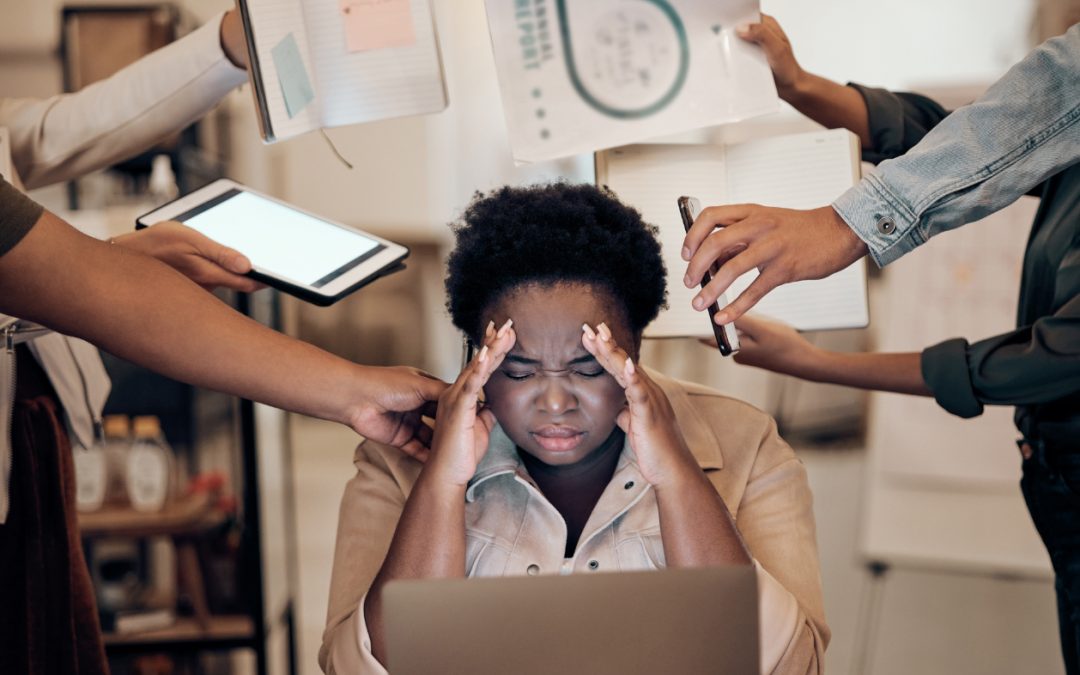
Without psychological safety, teams face significant obstacles that harm morale and performance:
- Individuals withhold ideas or concerns out of fear—resulting in missed opportunities and unresolved issues.
- Communication becomes fragmented, leading to disengagement and a silent culture.
- Stress and burnout increase as people feel unsupported and unable to express struggles.
- Team cohesion deteriorates when people feel excluded or undervalued.
An unsafe atmosphere impedes creativity, collaboration, and ultimately, team success.

Practical Tips for Leaders to Build Psychological Safety
Creating psychological safety doesn’t happen by chance—it requires intentional leadership actions:
- Model Vulnerability: Share your own mistakes, uncertainties, and learnings openly. This invites others to do the same and normalizes imperfection4.
- Encourage Open Dialogue: Actively invite input from all team members, especially dissenting voices, and listen respectfully6.
- Respond Constructively: When team members speak up or make errors, respond with appreciation and support, not blame or defensiveness610.
- Set Clear Expectations: Clarify that asking questions, giving feedback, and taking risks are valued behaviors in your team culture4.
- Provide Safe Feedback Channels: Use one-on-one meetings, anonymous surveys, or retrospectives to allow honest sharing10.
- Celebrate Learning and Experimentation: Recognize efforts to innovate and grow, even if outcomes are imperfect6.
These consistent behaviors cultivate an environment of trust and collaboration, enabling your team to maximize potential and performance.
Why Psychological Safety Is Your Team’s Superpower
In an era marked by rapid change and complexity, the ability to innovate and adapt quickly is a distinct competitive advantage. Psychological safety is the foundation that allows team members to contribute boldly and authentically without fear.
Safe teams are proven to be more engaged, productive, creative, and resilient. Establishing this culture of safety is not merely a “nice to have”—it’s a strategic imperative for every leader looking to drive superior team outcomes135.
Final Thoughts
Psychological safety transforms workplace dynamics by fostering openness, trust, and mutual respect. Leaders who prioritize and nurture this environment empower their teams to innovate boldly, learn continuously, and outperform consistently.
For leaders seeking to build stronger, safer, and more innovative teams, embedding psychological safety should be top of mind. Start today by modeling vulnerability, enabling open conversations, and continually reinforcing safe collaboration.
For more leadership development programs, coaching, and resources on creating psychologically safe and high-performing teams, explore the offerings at The Strengths Toolbox: thestrengthstoolbox.com.